
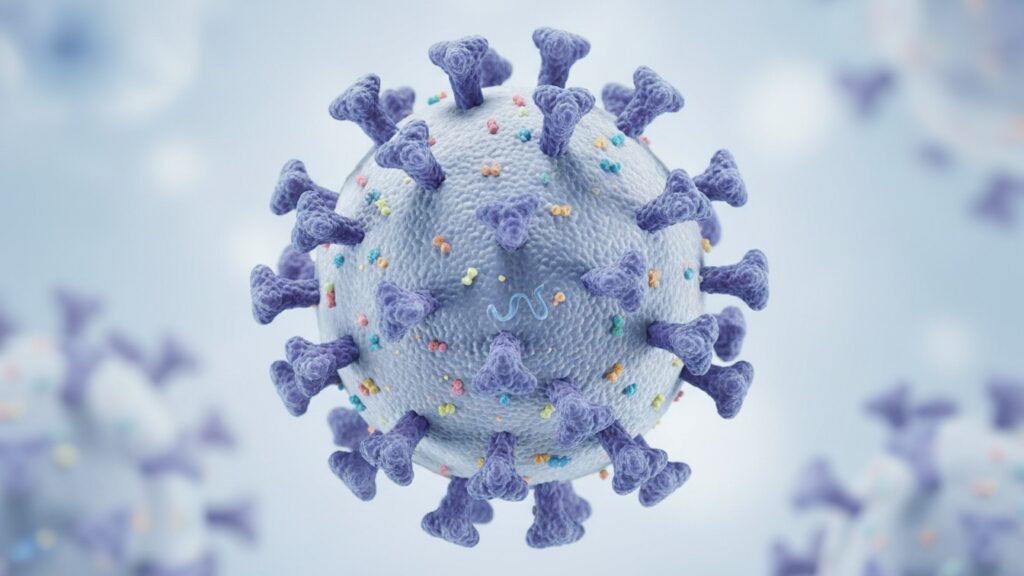
What is the Influenza Virus?
The influenza virus is an enveloped, segmented RNA virus that primarily affects the respiratory system (nose, throat, lungs).
- It causes seasonal flu every winter.
- High-risk groups include children, the elderly, and immunocompromised individuals.
- Severe complications may include pneumonia, asthma exacerbation, or heart problems.
Types of Influenza Virus
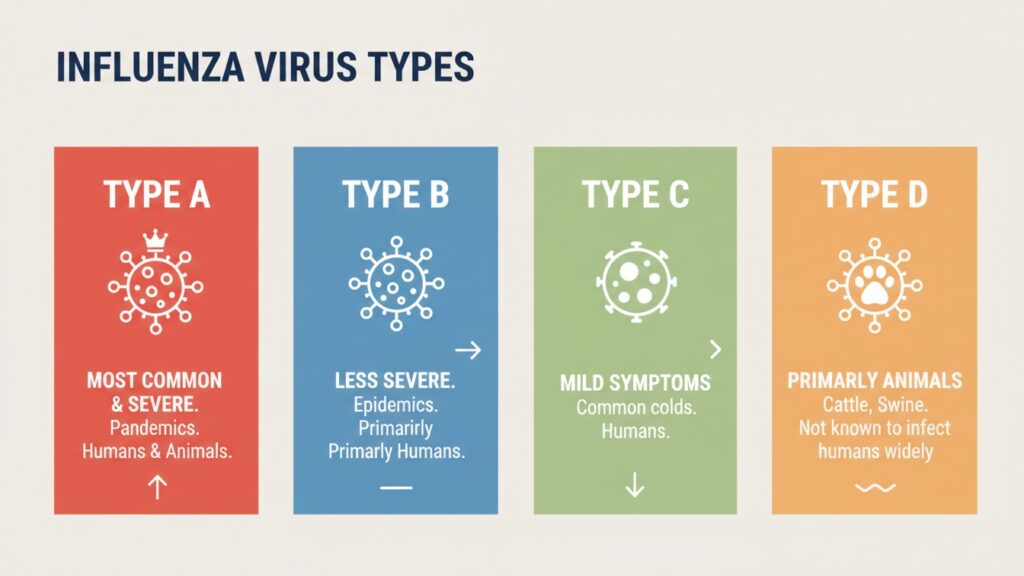
Let’s delve into the influenza virus complete guide. It’s classified into four main types: A, B, C, and D.
1. Influenza A
- The most common and most severe type.
- Causes seasonal epidemics and global pandemics, such as:
- H1N1 (Swine flu)
- H5N1 (Bird flu)
- Found in birds, pigs, and other animals, leading to frequent new subtypes like H1N1 and H3N2.
2. Influenza B
- Mostly restricted to humans.
- Contributes to seasonal flu outbreaks, but generally less severe than Influenza A.
- Two main lineages: Victoria and Yamagata.
3. Influenza C
- Usually causes mild respiratory illness.
- Common in children but rarely results in serious disease.
4. Influenza D
- Primarily found in cattle and other ruminants.
- Currently no confirmed evidence of causing disease in humans.
Structure of the Influenza Virus
The influenza virus consists of several key components:
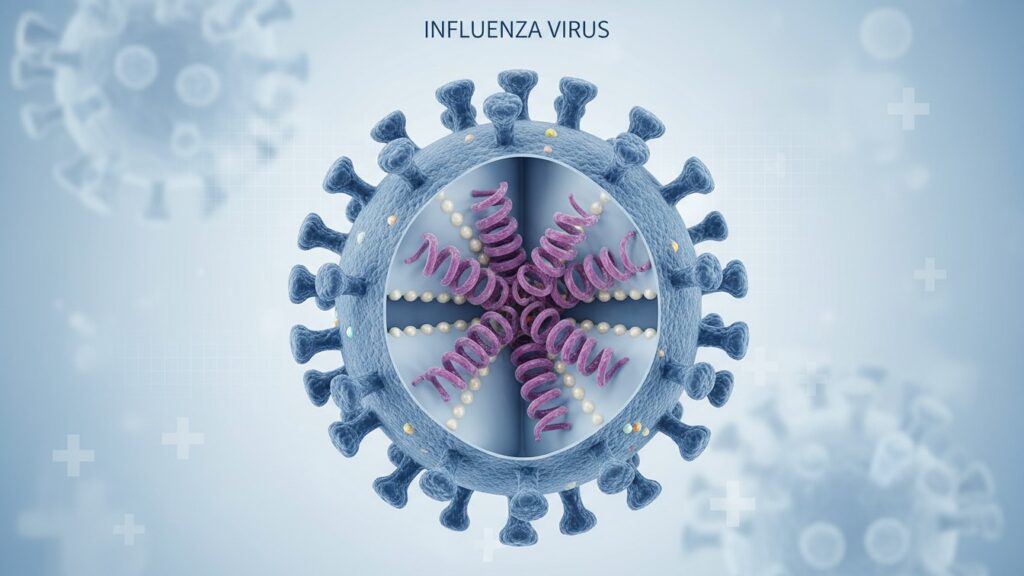
| Component | Function |
|---|---|
| Envelope (Lipid Layer) | Outer layer with attached glycoproteins |
| Hemagglutinin (HA) | Helps the virus enter host cells |
| Neuraminidase (NA) | Helps the virus exit host cells |
| Segmented RNA | 8 RNA segments; enables rapid mutation |
| Ribonucleoprotein (RNP) | RNA-protein complex required for replication |
How Influenza Spreads
Influenza virus spreads primarily through:
- Droplets: Coughing, sneezing, or talking releases droplets that enter another person’s nose or mouth.
- Aerosols: Tiny particles that remain airborne for extended periods, especially in closed spaces.
- Contaminated surfaces: Door handles, tables, phones, and keyboards, where the virus may survive for hours.
- Direct contact: Handshakes, touching infected surfaces, or touching your face with contaminated hands.
Symptoms of Influenza
Symptoms usually appear 1–4 days after exposure.
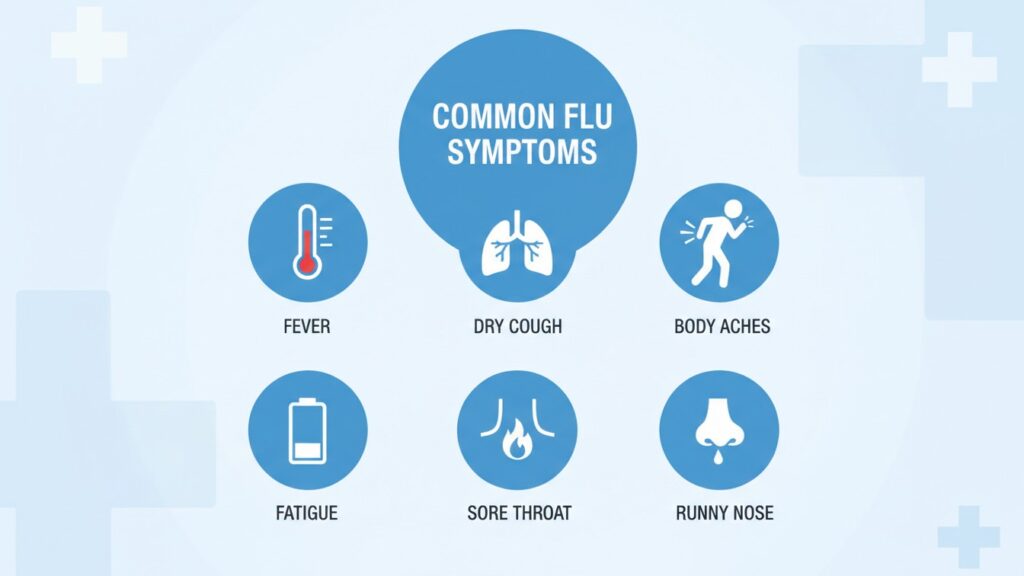
Common Symptoms
- Sudden high fever (≥38°C)
- Severe body aches and fatigue
- Dry cough
- Sore throat
- Runny or congested nose
- Headache
- Nausea, vomiting, or diarrhea (especially in children)
Symptoms in Children
- Irritability, crying, or sleep disturbances
- Ear pain (otitis)
- Difficulty breathing or rapid breathing
- Dizziness or fainting
Symptoms in the Elderly and Immunocompromised
- Mild or no fever
- Confusion or agitation
- Severe fatigue and difficulty walking
- Heart problems or asthma exacerbation
Flu vs Common Cold
| Feature | Influenza (Flu) | Common Cold |
|---|---|---|
| Onset | Sudden | Gradual |
| Fever | Usually ≥38°C | Rare or mild |
| Body aches | Severe | Mild or none |
| Fatigue | Severe, can last a week | Mild, 2–4 days |
| Cough | Dry, severe | Mild, scratchy throat |
| Runny / Stuffy Nose | Sometimes | Common |
| Sore Throat | Sometimes | Common |
| Complications | Pneumonia, heart problems, asthma | Rare |
Diagnosis of Influenza
Doctors may use a combination of clinical assessment and lab tests:
1. Clinical Diagnosis
- Evaluate symptoms (fever, cough, body aches)
- Consider flu season timing (usually winter)
- Assess local epidemic reports
2. Lab Tests
- Rapid Influenza Test (RIT):
- Swab of nose or throat
- Results in 15–30 minutes
- Positive confirms flu; negative may be false
- RT-PCR Test:
- Detects viral genetic material
- More accurate, often used in hospitals or for severe cases
- Viral Culture:
- Less common; used for research or monitoring new strains
Treatment of Influenza
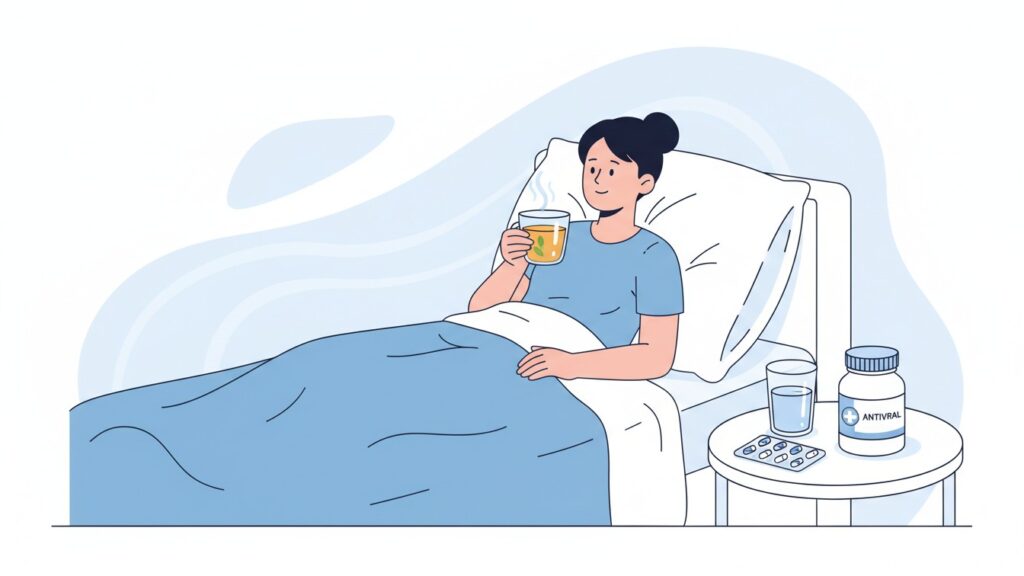
1. Home Care
- Rest: Bed rest to help the body fight infection
- Hydration: Drink water, tea, soup, or ORS to prevent dehydration
- Light diet: Rice, bread, yogurt, bananas, soups
- Pain and fever relief:
- Paracetamol / Acetaminophen
- Avoid aspirin in children (risk of Reye’s syndrome)
2. Antiviral Medications
- Oseltamivir (Tamiflu): Reduces severity and duration if started within 48 hours of symptoms
- Zanamivir (Relenza): Inhaled; use cautiously in asthmatic patients
- Peramivir & Baloxavir: Available in some countries; prescription only
3. Antibiotics
- Not effective against the flu virus
- Only used for secondary bacterial infections (e.g., pneumonia)
Prevention of Influenza
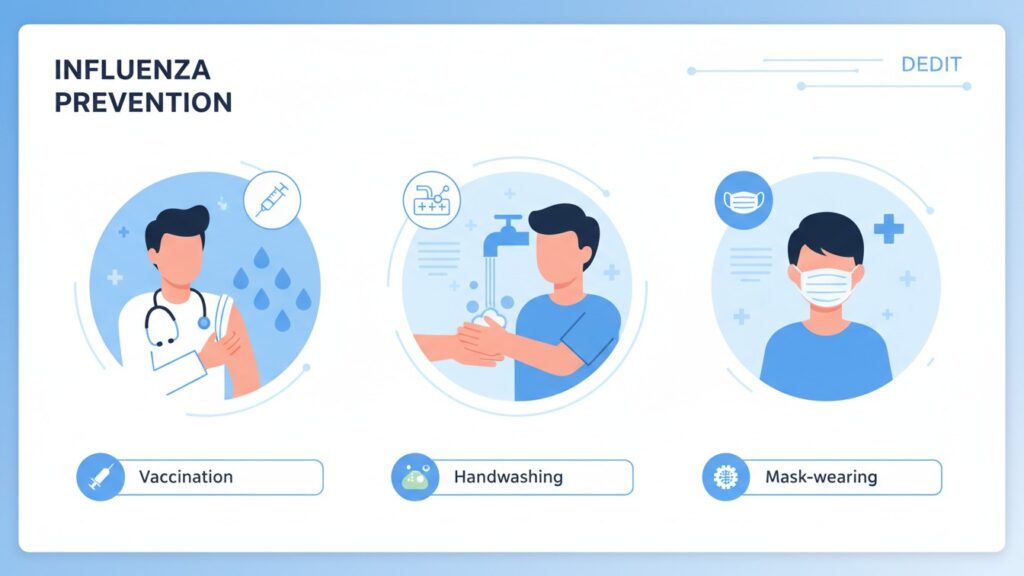
- Vaccination: Annual flu vaccines for children, the elderly, and high-risk groups
- Hand hygiene: Frequent washing with soap and water
- Masking and covering coughs/sneezes
- Avoid close contact with infected individuals
- Clean surfaces regularly (phones, doorknobs, keyboards)
- Healthy lifestyle: Balanced diet, exercise, adequate sleep
When to See a Doctor
Seek medical attention if:
- Fever >3 days or worsening symptoms
- Difficulty breathing or chest pain
- Confusion, dizziness, or fainting
- Severe dehydration (low urine output)
- High-risk groups (children, elderly, immunocompromised) showing complications
Frequently Asked Questions (FAQs)
What is the influenza virus?
The influenza virus is an enveloped RNA virus causing seasonal flu and respiratory illness.
How long does the flu last?
Symptoms typically last 5–7 days, but fatigue may persist for 1–2 weeks.
Can flu be prevented?
Yes, annual vaccination, hygiene, and avoiding contact with sick individuals are effective prevention methods.
Are antiviral medications necessary?
Only in high-risk or severe cases, and when started within 48 hours of symptom onset.
Conclusion
The influenza virus is a common but potentially serious respiratory infection that can cause seasonal outbreaks and severe complications in high-risk groups. Early symptom recognition, timely care, and preventive measures such as annual flu vaccination, good hygiene, and healthy lifestyle habits are the most effective ways to reduce flu severity and spread.
Medical Disclaimer
This content is for informational purposes only and does not replace professional medical advice. Always consult a qualified healthcare provider for diagnosis, treatment, or medical concerns related to influenza or any other health condition.
